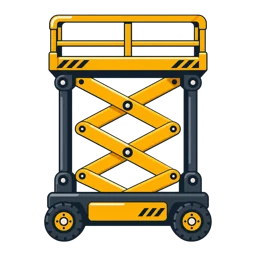
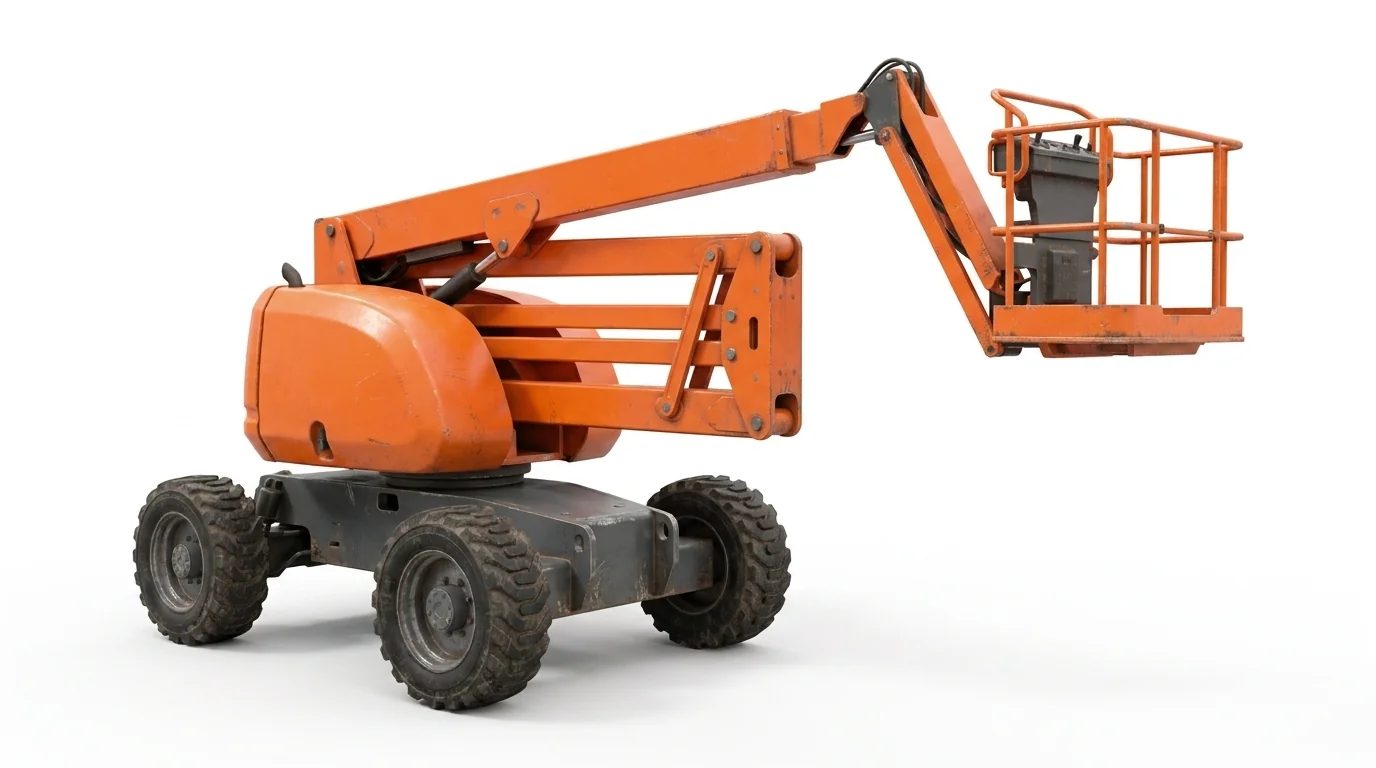
Geometry first: vertical or up‑and‑over
- Scissor lifts: Best when the machine can sit under the task on a flat surface.
- Articulating booms: Clear obstacles with jointed arms in tight approaches.
- Telescopic booms: Longer, straighter reach for stand‑off work zones.
In local logistics facilities, electrics handle indoor vertical tasks quietly. Around industrial sites, booms and rough‑terrain scissors divide work based on terrain and reach.
Local factors in the Tennessee River Valley
Frequent rainfall and humidity can leave exterior surfaces soft or slick. For outdoor work, tire type, ground clearance, and drive matter. Approaches may include slope transitions at docks or site cuts, which affect setup and stability. Indoors, emissions and noise favor electric scissor lifts in active aisles.
Narrow the options by constraints
- Required working height and horizontal offset.
- Surface type: smooth slab, finished concrete, compacted stone, or soil.
- Aisle width and door clearances for indoor moves.
- Obstructions: conveyors, piping, façade features, or landscaping.
When to mix categories
A project may need scissor lifts for straight-up tasks and booms for penetrations or canopy work. Compare scissor options at /electric-scissor-lift-rental/ and /rough-terrain-scissor-lift-rental/. Review boom choices at /boom-lift-rental/.
Actual conditions, the selected unit’s instructions, and site procedures govern elevated work.