When a straight boom is the efficient choice
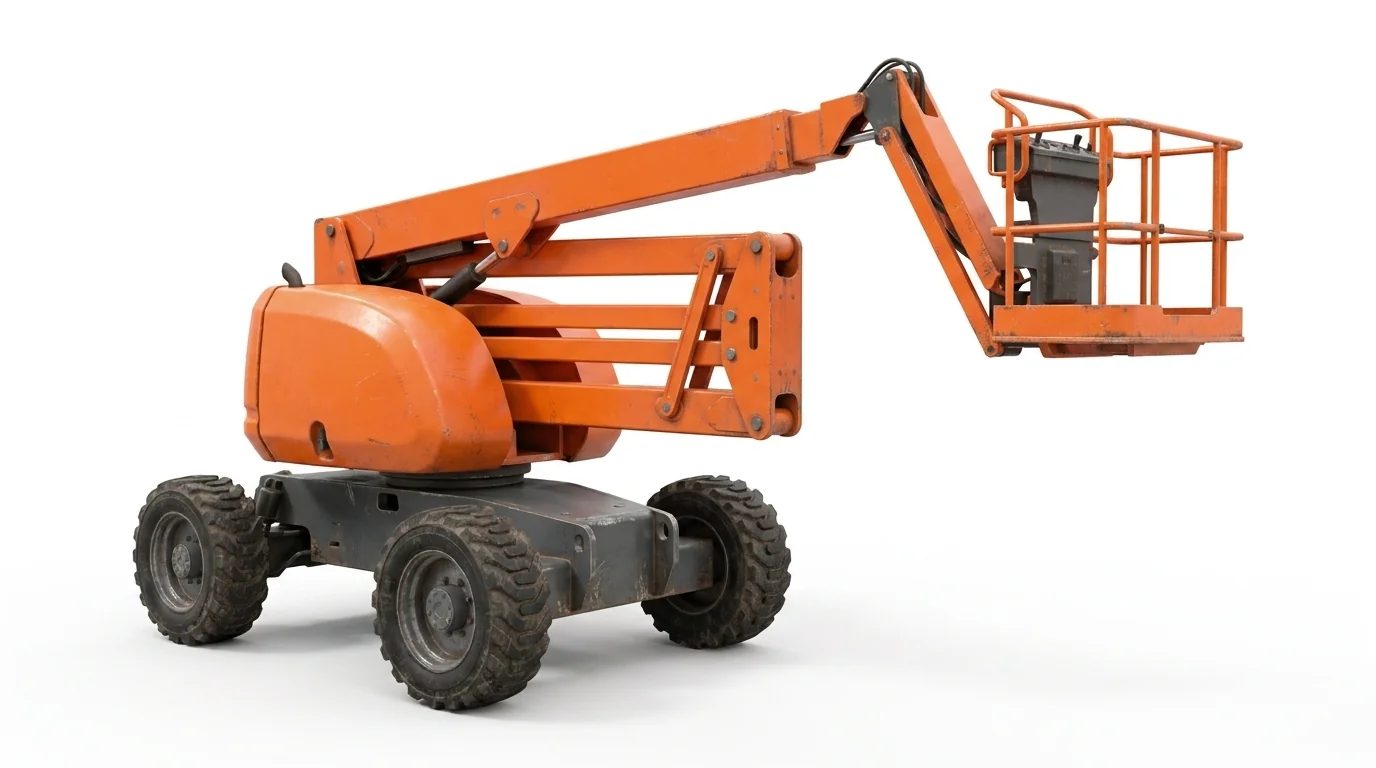
Start with line-of-sight. If the platform can travel straight to the work without bending around ducts or parapets, a telescopic boom covers distance faster and with less repositioning. That’s valuable on exterior cladding, lighting poles, or signage set back from paved areas at growing industrial properties.
Key planning questions: - Can the machine sit below the task with a clear shot, free of overhead obstacles? - How much horizontal outreach is required from the parking spot to the work point? - Are there grade changes or soft zones between access roads and the façade?
Chattanooga terrain and weather considerations
Open sites around the valley can seem straightforward, but rain and drainage patterns leave soft shoulders and ruts. Slopes near ridge lines may limit allowable setup locations. These conditions often push decisions toward 4WD, rough-terrain tires, and models with adequate ground clearance. Actual conditions, the selected unit’s instructions, and site procedures govern what is feasible.
Measurements that dial in model size
- Required platform height and working radius to the target
- Setback distance from the façade or structure
- Available footprint for outriggers (if applicable) and tail swing clearance
- Ground bearing capacity along the travel path and at the final pad
- Gate widths, staging room for transport, and turning radius
Typical Chattanooga use cases
- Exterior maintenance on long walls at active logistics sites
- Lighting, camera, and signage work over parking areas and dock aprons
- New construction where open pads allow direct pointing and full extension
If the approach is blocked by overhangs or racking, compare an articulating option at /articulating-boom-lift-rental/. For vertical access on slabs without outreach needs, see /electric-scissor-lift-rental/.